













































Solutions Hubspot

HubSpot workflows that connect deals orders invoicing and inventory

Connect HubSpot deals to downstream orders invoices and inventory with governed mapping and workflows.

Workflow Engine
Lead Deal Quote Order Invoice Payment Reconciliation Renewal
Synced
All systems
Active
12 workflows
Audit trail
100% logged
One workflow engine. One audit trail. One source of truth.
Trusted by more than 1000 back-office teams

HubSpot + Sanka: connect deals, orders, invoicing, and inventory with governance

HubSpot is where deals move. Operations and finance need those deals to become clean orders, invoices, inventory movements, and cash status without copy-paste and rework. Sanka connects HubSpot to a governed workflow layer so mappings, approvals, and audit trails stay consistent.

Import cleanly

Bring deals and product data into operational records with field mapping and stable identifiers.

Automate handoffs

Trigger order and invoice workflows from deal changes so teams follow one consistent process.

Keep control

Add approvals for exceptions and keep an audit trail from the deal event to finance outcomes.

What you can standardize with HubSpot

  • Connect HubSpot in Workspace > Integrations
  • Map HubSpot properties to Sanka properties (including associations)
  • Import deals into orders, then automate billing and status management
  • Keep workflows idempotent so reruns do not create duplicate downstream records
HubSpot record In Sanka Typical outcome
Company + Contact Company + Contact Clean customer master for billing and support
Deal Order workflow trigger Standard quote-to-order and billing handoff
Products / line items Item master inputs Consistent pricing and invoicing structure

Typical workflows teams automate

  • Deal → Order → Invoice: create operational records from deal data and standardize billing.
  • Deal import → revenue allocation: split revenue via slip/ledger patterns when one deal maps to multiple allocations.
  • Deal → inventory actions: tie deals to inventory visibility and operational fulfillment steps when relevant.
How It Works

Setup Guide

Follow these steps to configure HubSpot-driven order and subscription automation.

1

Prepare HubSpot and order properties

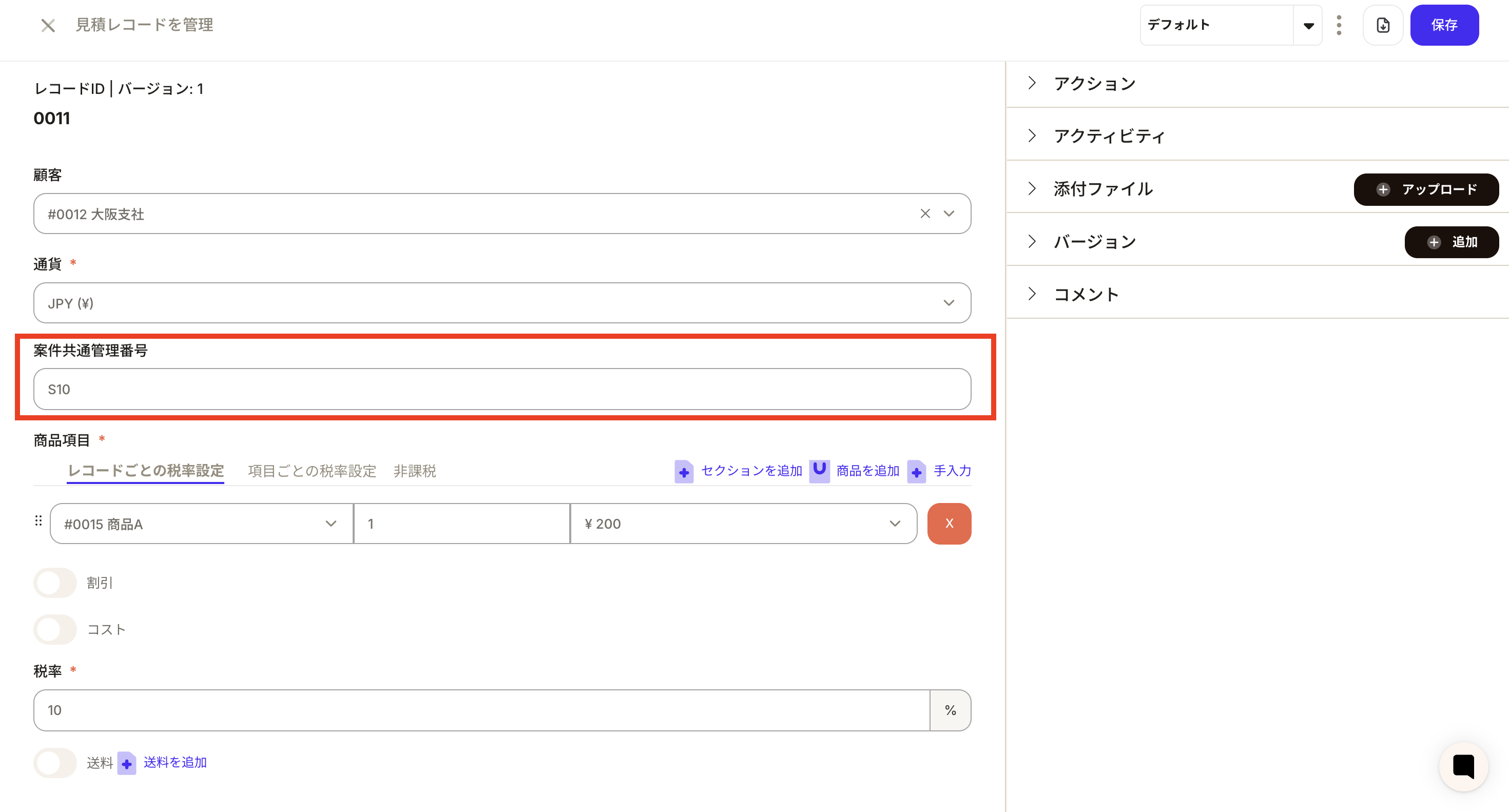
  • Create subscription_cancellation_date (date) on HubSpot Deal.
  • Create an order date property in Sanka (for imported cancellation date).
  • Map the HubSpot property into the Sanka order property during import.
2

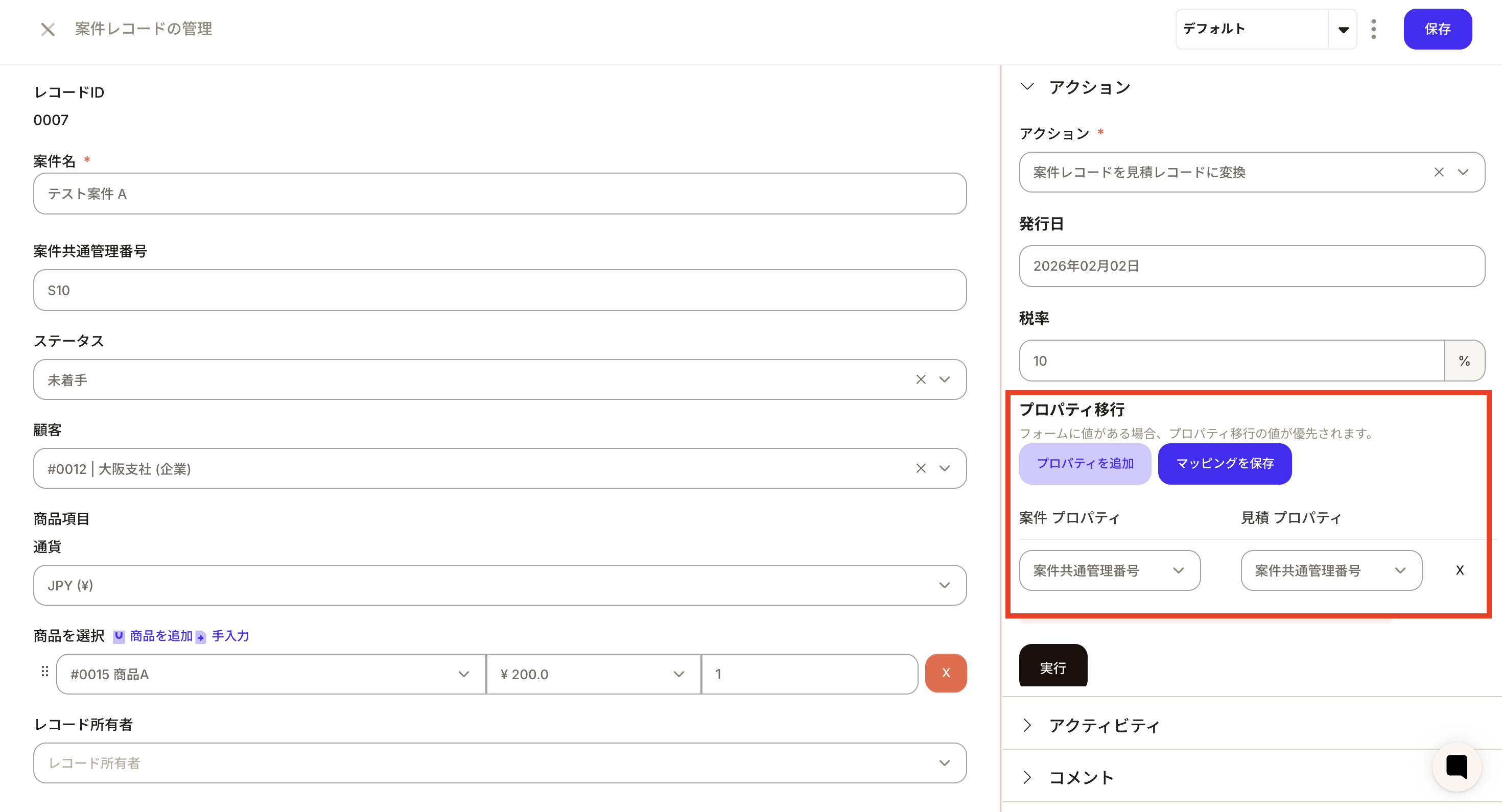
Configure workflow for subscription updates

  • Trigger: order creation/import.
  • Add action: update associated records.
  • Association target: Order → Subscription.
  • Configure updates: subscription_status fixed to canceled, and end_date mapped from order cancellation date.
Workflow configuration for associated subscription updates
3

Validate reflection

  • Order has cancellation date imported.
  • Associated subscriptions are set to subscription_status=canceled.
  • end_date matches the cancellation date.
Validation result showing reflected end date and canceled status
Here's what our customer say

Teams choose this because execution gets cleaner

“Extremely user friendly” “Simple, quick, powerful” “Great collaboration tool” “Organized and on point” “Outstanding”

Frequently asked questions

Can we map custom properties and associations?
Yes. Map the properties you need for downstream operations and include associations so records stay linked (for example deal to company and contacts).
How do we keep billing consistent when deals change?
Use governed workflows with required fields, approvals for exceptions, and stable identifiers so edits do not create rework and disputes.
How should we handle discount and exception controls?
Define approval rules before invoice creation. Keep exception decisions in workflow history so each override is traceable.
What should we automate first?
Start with Deal → Order → Invoice. Once the mapping is correct and exceptions are controlled, expand to allocations and inventory-related workflows.
Do we need to replace HubSpot?
No. Many teams keep HubSpot for CRM and connect it to a governed workflow layer so operations and finance run from consistent, auditable records.